
Belonging
People are more able to participate, develop and perform when they feel accepted as individuals—not only valued for what they produce.
Engagements / Inclusion in sport
Inclusion & Empowerment Conference
Bringing lived experience into a conversation about mental health, belonging and the cultures we create around people in sport.
Setting the scene
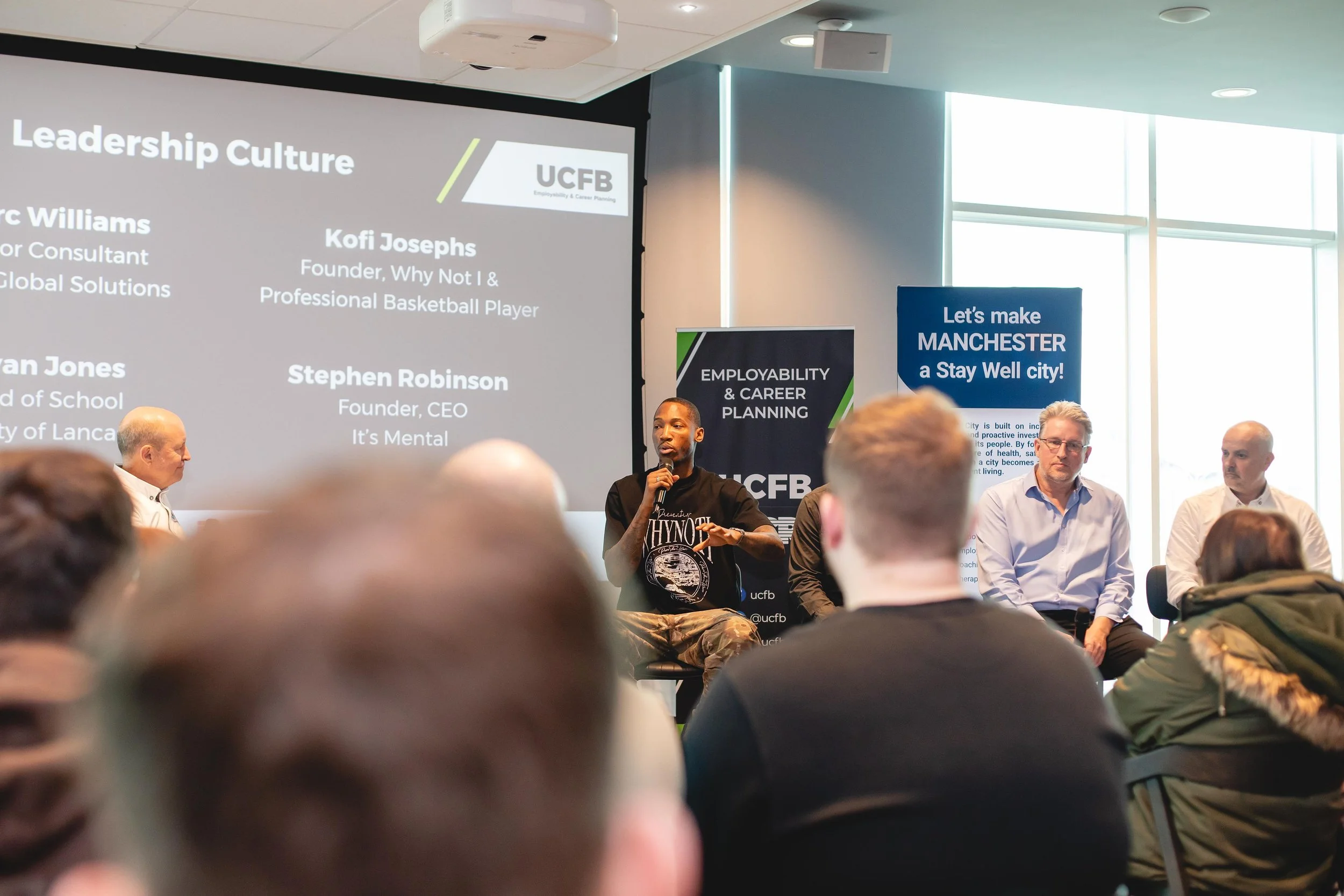
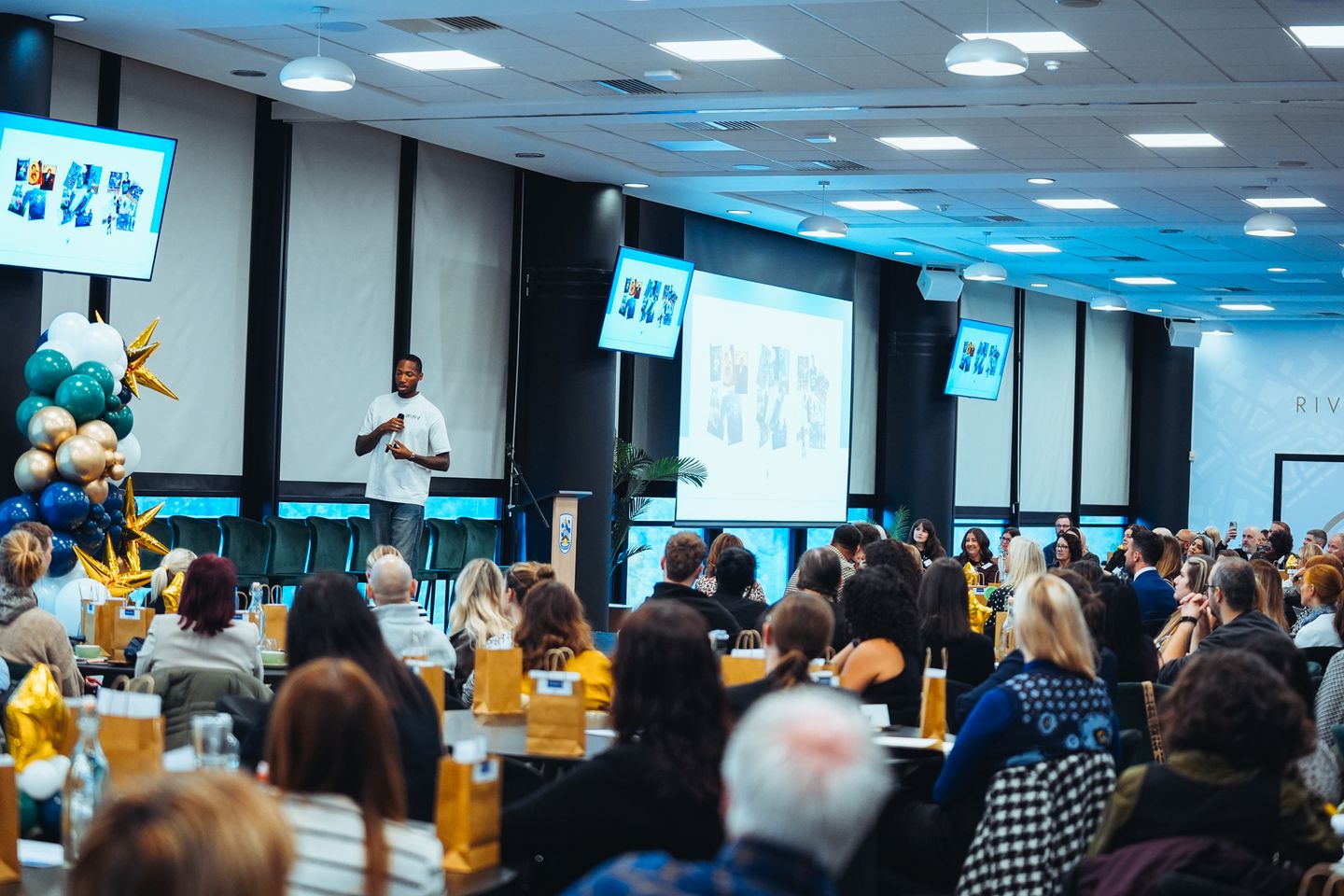
Why Not I was invited to contribute to Huddersfield Town’s Inclusion & Empowerment Conference at the John Smith’s Stadium.
The conference brought together students, professionals and community leaders to explore inclusion, representation and wellbeing in sport—and the responsibility organisations have to create environments in which people feel recognised, respected and able to contribute.
Why Not I brought lived experience and mental health into that conversation, connecting the principles being discussed with the human realities behind performance, leadership and personal development.
Kofi’s contribution
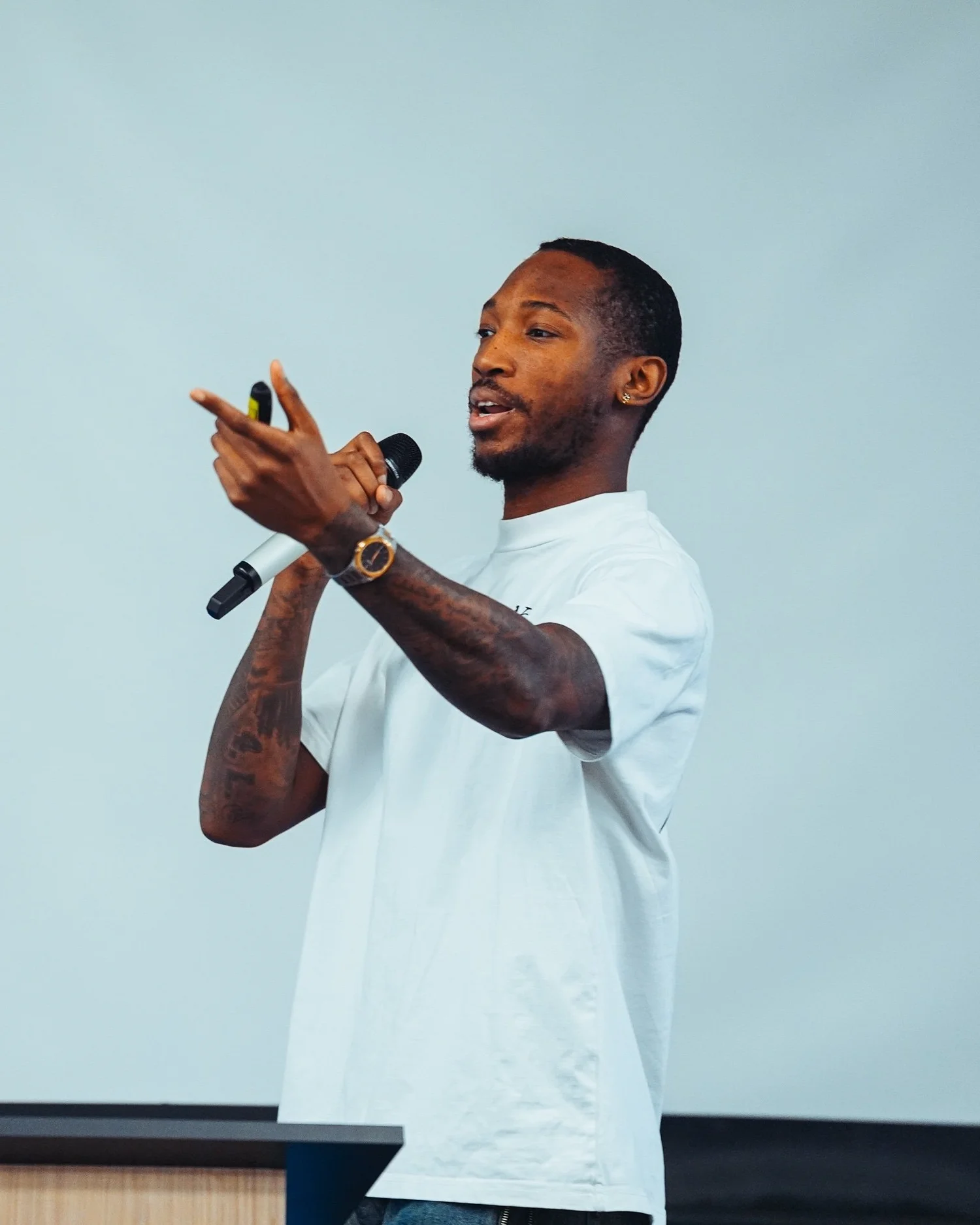
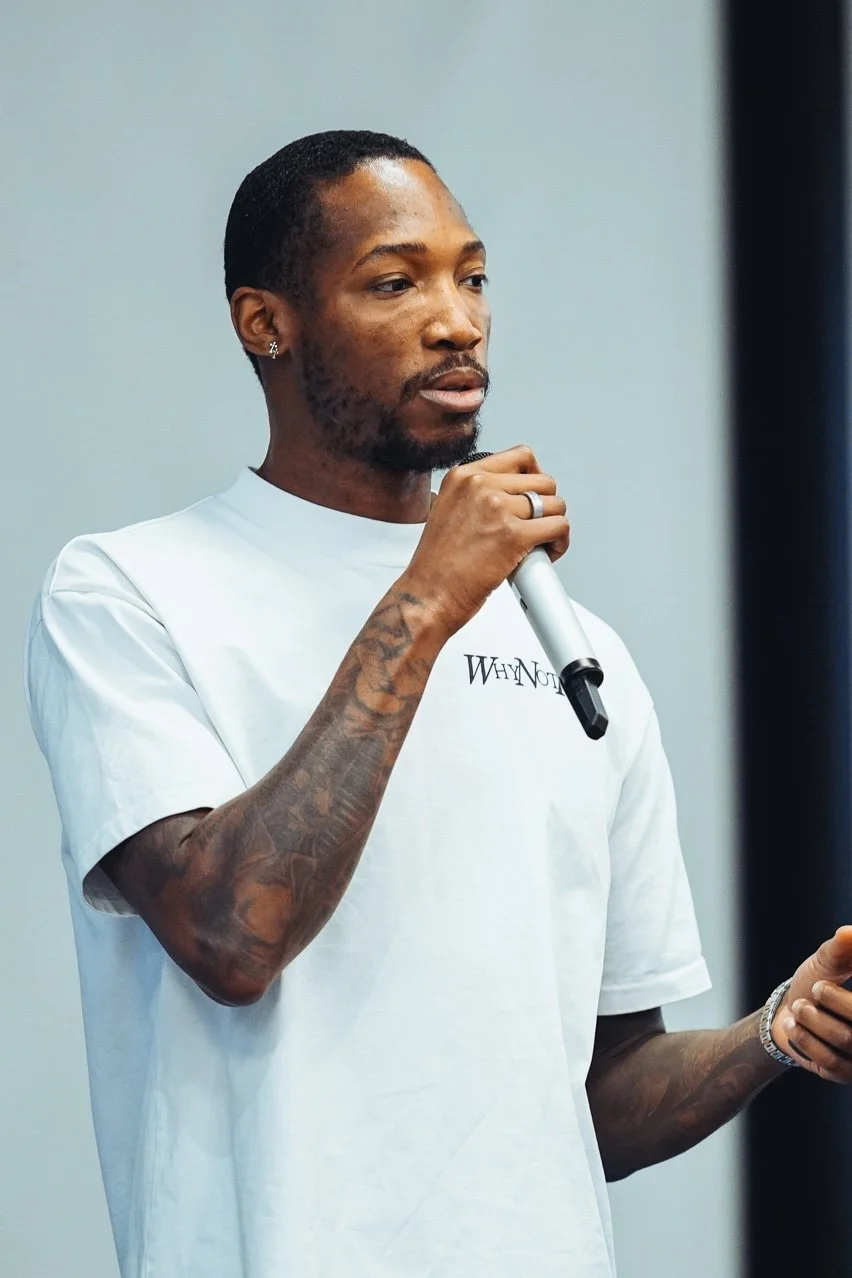
Representing Why Not I, Kofi Josephs drew on his experiences of international basketball, personal adversity, mental health challenges and entrepreneurship.
Rather than presenting resilience as simply enduring more pressure, Kofi explored what it means to lead and perform while remaining honest about vulnerability, identity and the need for support.
His contribution encouraged attendees to think about whether the environments they help create allow people to be fully seen—or whether individuals feel they must hide parts of themselves in order to belong.
People are more able to participate, develop and perform when they feel accepted as individuals—not only valued for what they produce.
Being honest about pressure, uncertainty or mental health does not weaken leadership. It can create trust and make meaningful support possible.
Inclusion is expressed through everyday culture: who is heard, who feels safe to contribute and how people are supported through challenge.
Empowerment becomes meaningful when reflection leads to practical changes in behaviour, communication and the environments we create around others.
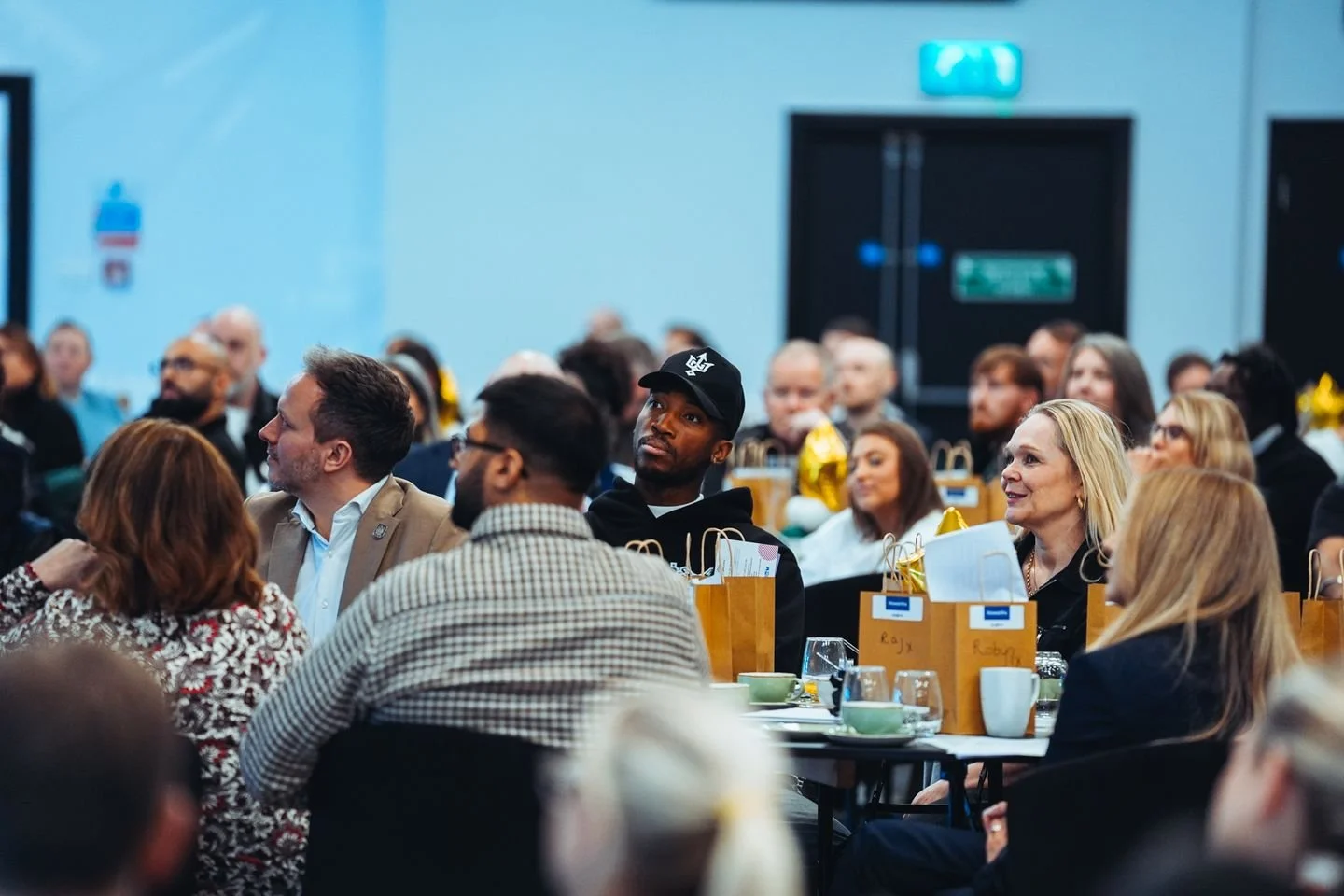
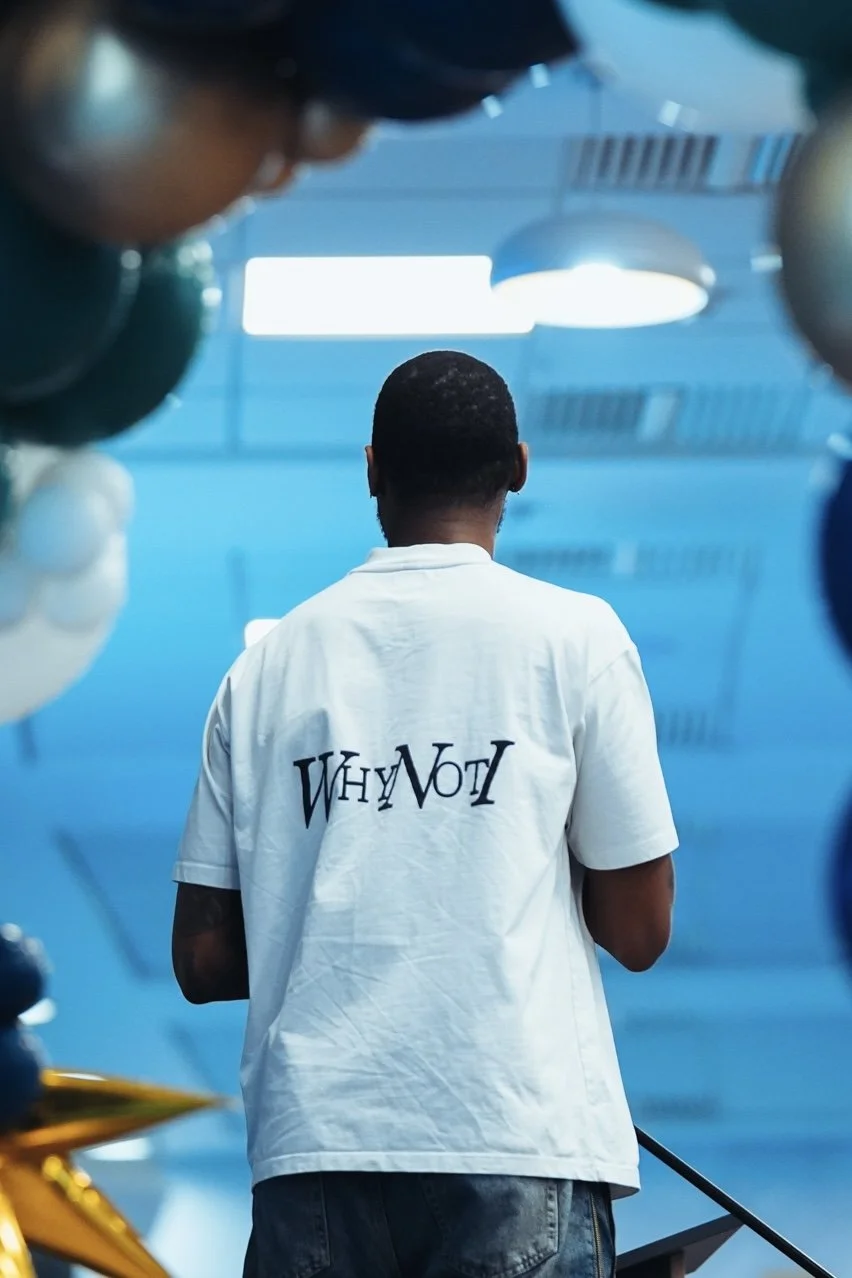
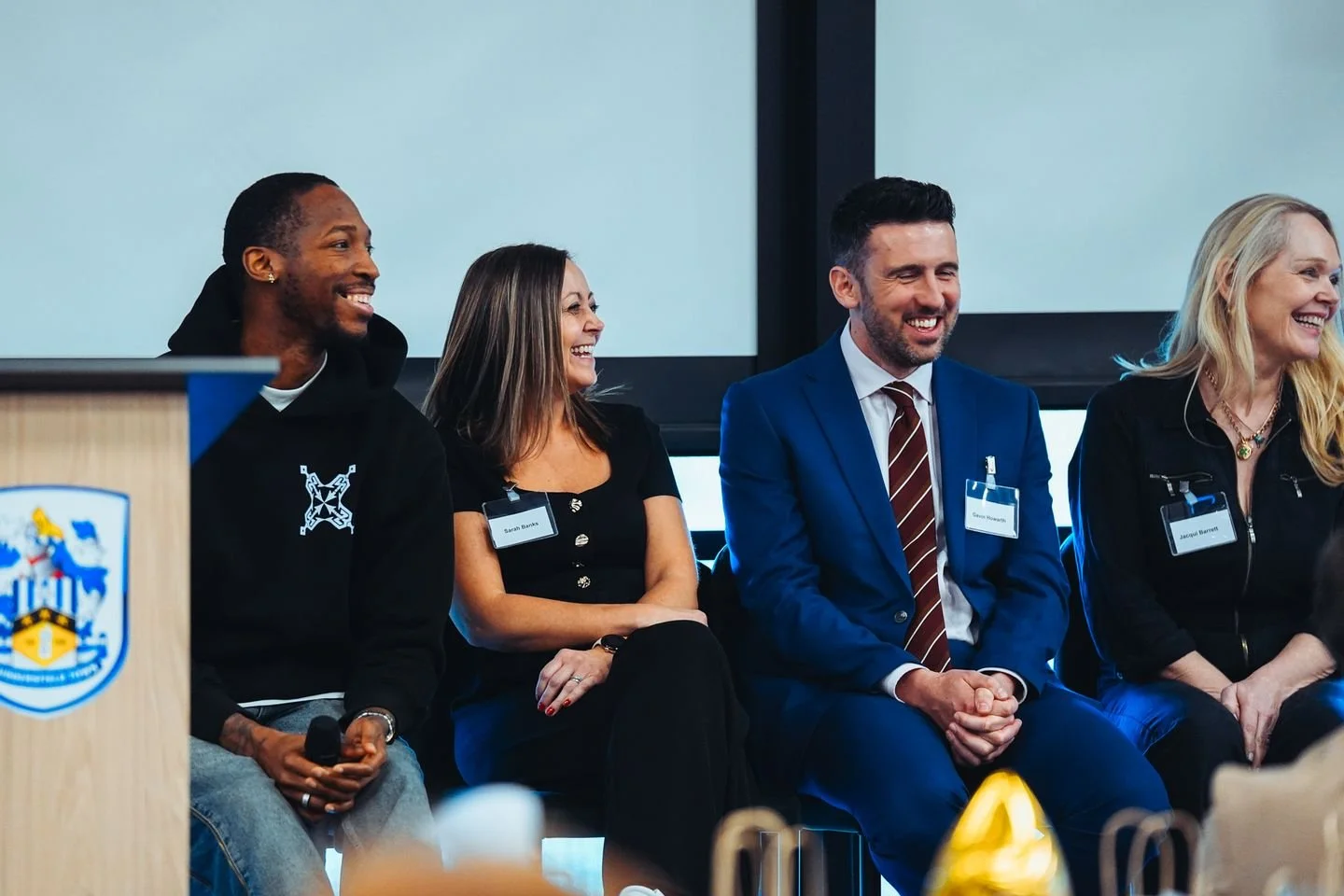
Event media story
A visual record of the room, the audience and Kofi’s contribution to the wider conference conversation.

Why inclusion affects wellbeing
Feeling excluded, misunderstood or unable to speak honestly can affect confidence, connection and mental health.
Inclusive cultures do more than invite people into a space. They consider whether people feel safe enough to participate, supported enough to grow and valued beyond their role, background or performance.
That is why conversations about representation and empowerment must also include emotional wellbeing and the lived experiences of the people inside our institutions.
From conversation to change
Inspiration can help someone recognise possibility. Aspiration can give that possibility a direction. But meaningful change requires action, support and environments that allow people to continue moving forward.
This engagement reflected the wider Why Not I belief that people should leave important conversations not only feeling seen, but more prepared to contribute to positive change around them.
Why Not I works across sport, education, workplaces and communities to create honest conversations around mental health, identity, possibility and action.
Each engagement is different, but the purpose remains consistent: to use lived experience and human connection to help people see what could change—and recognise the part they can play in making that change happen.
Start a conversation
If your organisation, sports environment, educational setting or community is working to improve mental health, inclusion or belonging, we would like to hear what you are building and explore how Why Not I could contribute.