

Engagements / Youth voice & leadership
Houses of Parliament
Your Voice, Your Future: Understanding Politics & Leadership
Lived experience belongs in the leadership conversation.
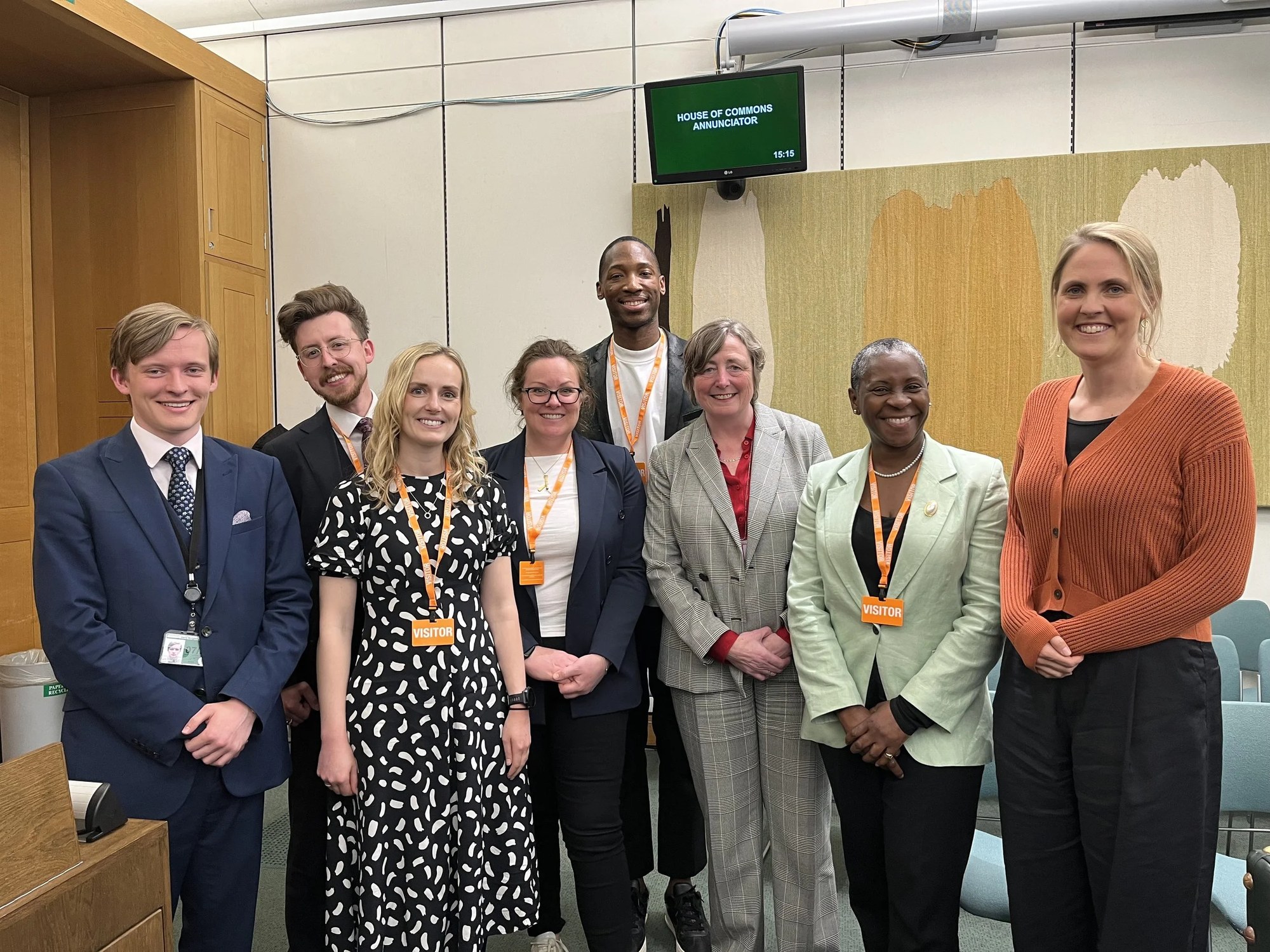
Kofi Josephs joined leaders from law, government and public service for a House of Commons panel exploring leadership, resilience and the perspectives shaping the next generation.
- Setting
- House of Commons
- Format
- Panel discussion
- Focus
- Youth voice, leadership and lived experience
The engagement
Expanding the picture of leadership
Why Not I was invited to contribute to Your Voice, Your Future: Understanding Politics & Leadership, a programme hosted inside the Houses of Parliament to support leadership development and political engagement among young people from Aylesbury.
Kofi Josephs joined a panel of senior figures from law, government and public service, bringing a perspective shaped by international sport, mental health advocacy, entrepreneurship and lived experience.
His contribution invited the young people in the room to consider leadership as more than a title, qualification or position. Leadership can also be shaped by identity, adversity, emotional awareness and the decision to use personal experience in service of change.
The programme
Your Voice. Your Future.
The programme, curated by Laura Kyrke-Smith MP and led by I. Stephanie Boyce, former President of the Law Society of England and Wales, gave young people an opportunity to hear directly from people working across different areas of leadership and public life.
Bringing those perspectives together demonstrated that there is no single route into influence. Legal expertise, public service, professional experience and lived experience can each contribute something different to the way society understands leadership.
For young people considering their own future, seeing that range matters. It can widen their understanding of where leadership happens, whose voice carries value and how they might begin contributing themselves.
The panel
Perspectives in the room
The panel brought together experience from sport, mental health advocacy, law, government and public service, offering young people several perspectives on responsibility, pressure and meaningful leadership.
Kofi Josephs
International basketball player, mental health advocate and founder of Why Not I
Susanna McGibbon
Treasury Solicitor and Permanent Secretary, Government Legal Department
Fiona Rutherford
Chief Executive, JUSTICE
Sophie Jamieson
Senior Associate, Lewis Silkin LLP
I. Stephanie Boyce
Former President of the Law Society of England and Wales
Kofi’s contribution
Leadership shaped by lived experience
Kofi’s contribution centred on the role lived experience can play in shaping the way somebody understands and exercises leadership.
His journey includes representing Great Britain and England in basketball, building a professional career across different countries and creating work around mental health and personal development. It also includes personal loss, injury, pressure and significant mental health challenges.
Sharing both achievement and adversity allowed leadership to be discussed without pretending that confidence, success or responsibility remove vulnerability.
The message to young people was not that struggle automatically creates leadership. It was that personal experience can develop perspective—and that perspective can become valuable when it is reflected upon and used to support change.
What leadership can require
Beyond visibility and status
These themes reflect Kofi’s contribution to the conversation; they are not an official curriculum or statement from Parliament.
- 01
Self-awareness
Understanding personal strengths, pressures, values and limitations before attempting to lead other people.
- 02
Resilience
Responding to setbacks, adapting and accepting support without treating silent suffering as proof of strength.
- 03
Responsibility
Recognising that leadership affects other people and requires more than visibility, status or personal ambition.
- 04
Voice
Understanding that experience and perspective can have value—and learning how to use that voice constructively.
Mental health in leadership
We cannot talk about the future of leadership without talking about mental health.
Leaders operate under pressure, make decisions with consequences and often carry expectations that are not visible from the outside.
Mental health should not be treated as separate from the way people lead, communicate and create environments around others.
Honest conversations about vulnerability do not weaken leadership. They can encourage greater self-awareness, empathy and responsibility—and help challenge the belief that strength means hiding every difficulty.
Personal recommendation following the panel engagement
Recommendation from I. Stephanie Boyce
“Kofi’s story is powerful to hear and his delivery and advocacy for mental health is unwavering. I had the opportunity to hear Kofi’s story first hand, when I invited him to join a panel of distinguished speakers recently in the House of Commons. Kofi left the audience inspired and motivated to act.
I highly recommend him as a speaker.”
Visual event story
Inside the conversation
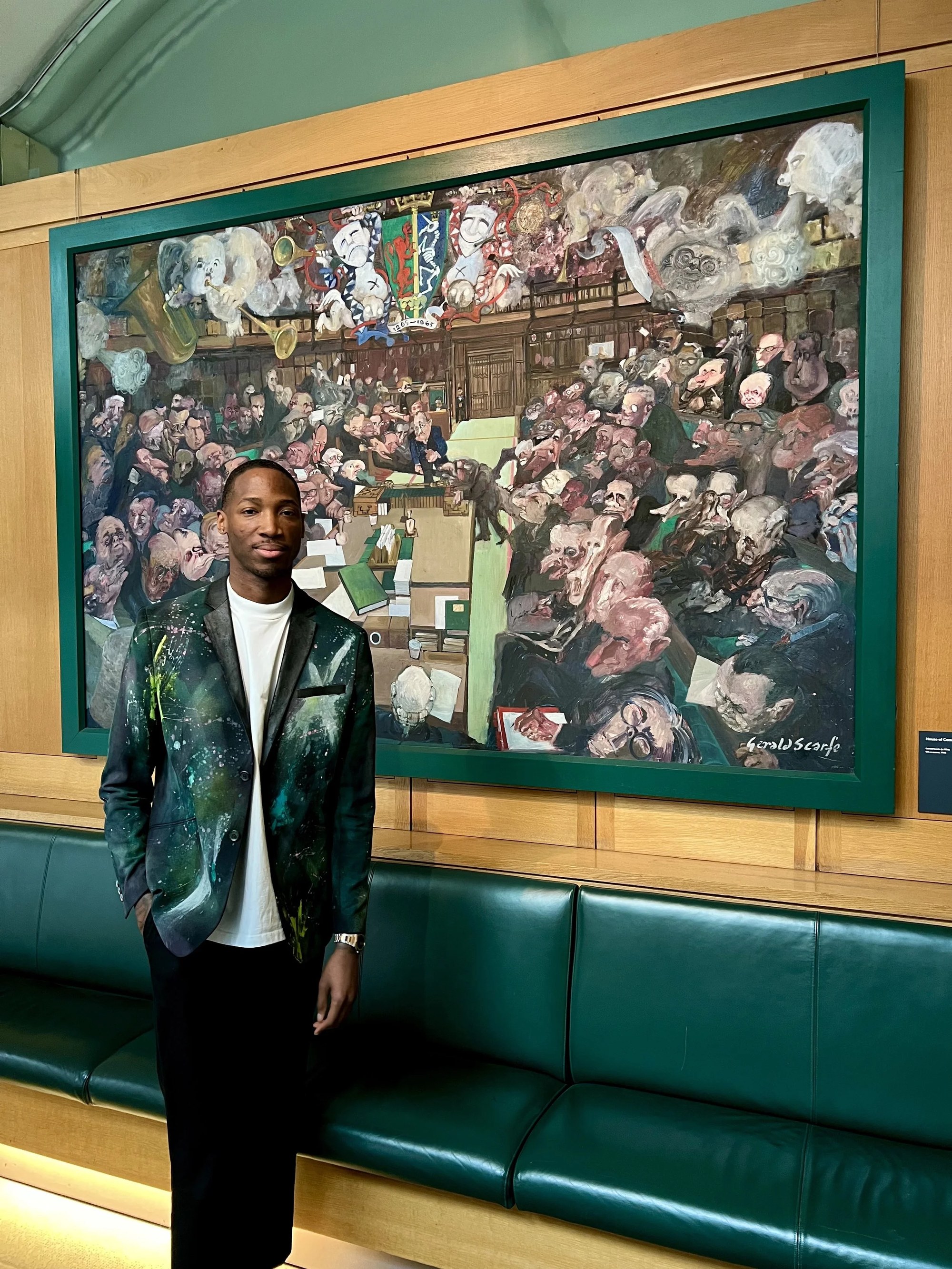
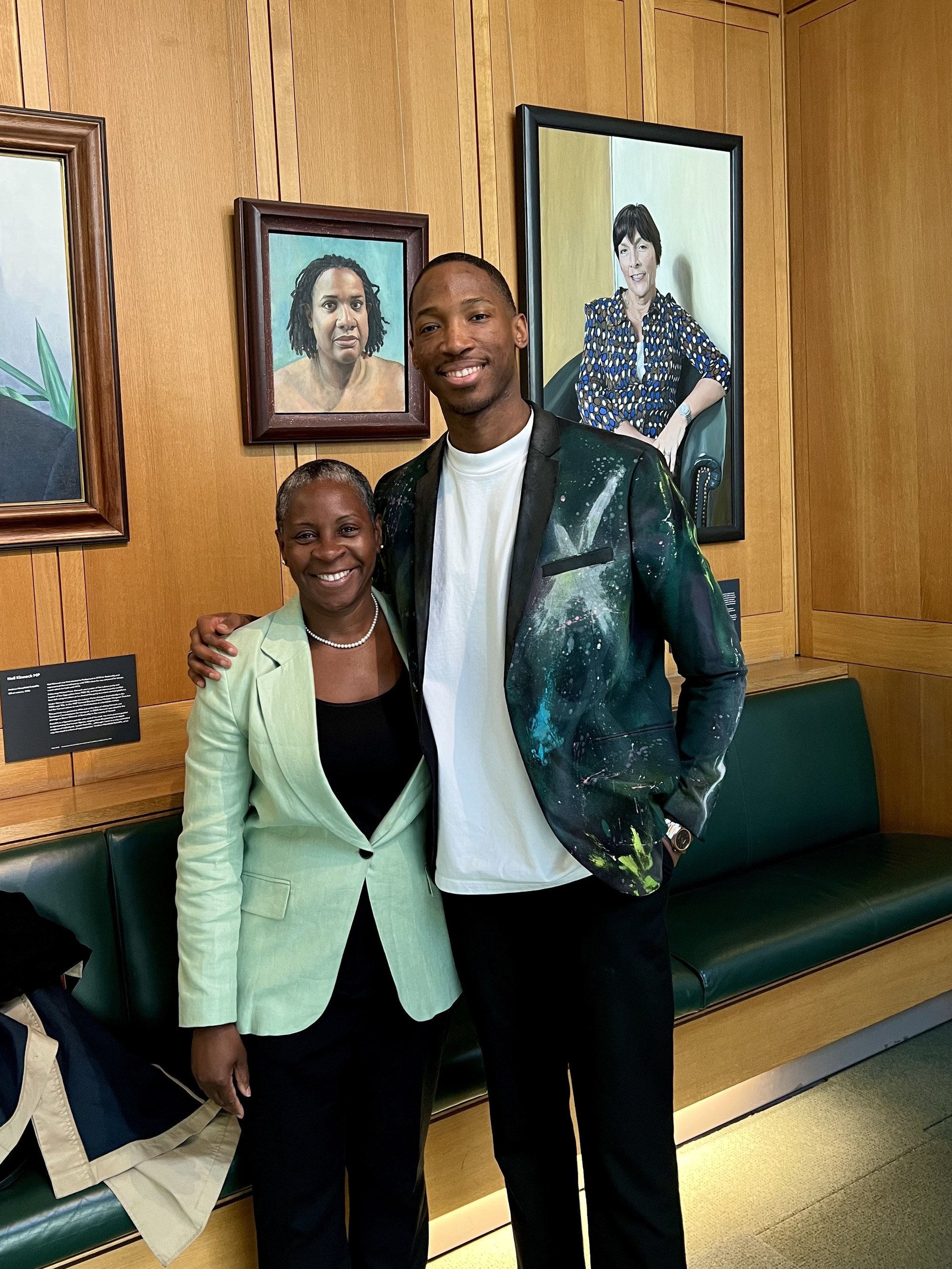
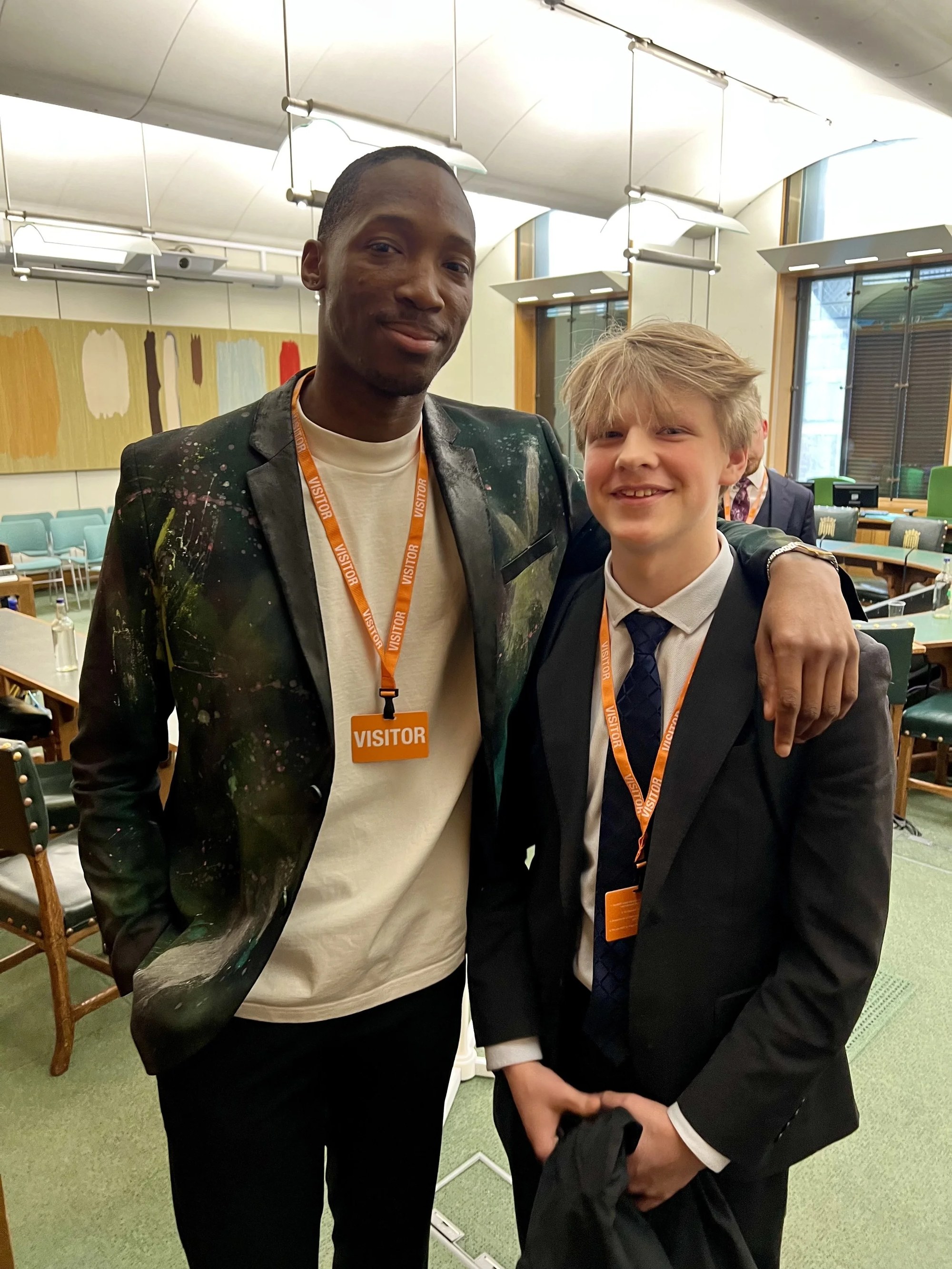
Original event photography records the contributors, parliamentary setting and personal exchanges around the programme.
Why youth voice matters
Young people should see themselves as participants in the future
Political engagement and leadership can feel distant when young people see only one kind of person, pathway or experience represented.
Bringing different voices into the room can help make leadership feel broader and more human. It can show that personal history does not disqualify somebody from contributing—and that influence begins before a person receives a title.
Youth voice becomes meaningful when young people are encouraged not only to listen, but to question, reflect and recognise their own ability to participate.
From inspiration towards civic action
Being inspired is not the final step
Inspiration can help somebody recognise possibility. Aspiration gives that possibility direction. Action is how a person begins contributing to the change they want to see.
Within leadership and civic life, that action might begin through learning more, asking a question, joining a local initiative, speaking about an issue or taking responsibility within a community.
Why Not I’s role is to help people see that change is not something created only by those who already hold power.
Discover the Why Not I approachWider significance
Bringing lived experience into rooms of influence
This engagement reflects Why Not I’s commitment to making lived experience part of wider conversations about wellbeing, leadership and the future.
The purpose is not simply to reach influential spaces. It is to carry honest human experience into those spaces and ensure that mental health, identity and resilience are considered alongside traditional measures of leadership.
Explore more engagements
Continue exploring the work
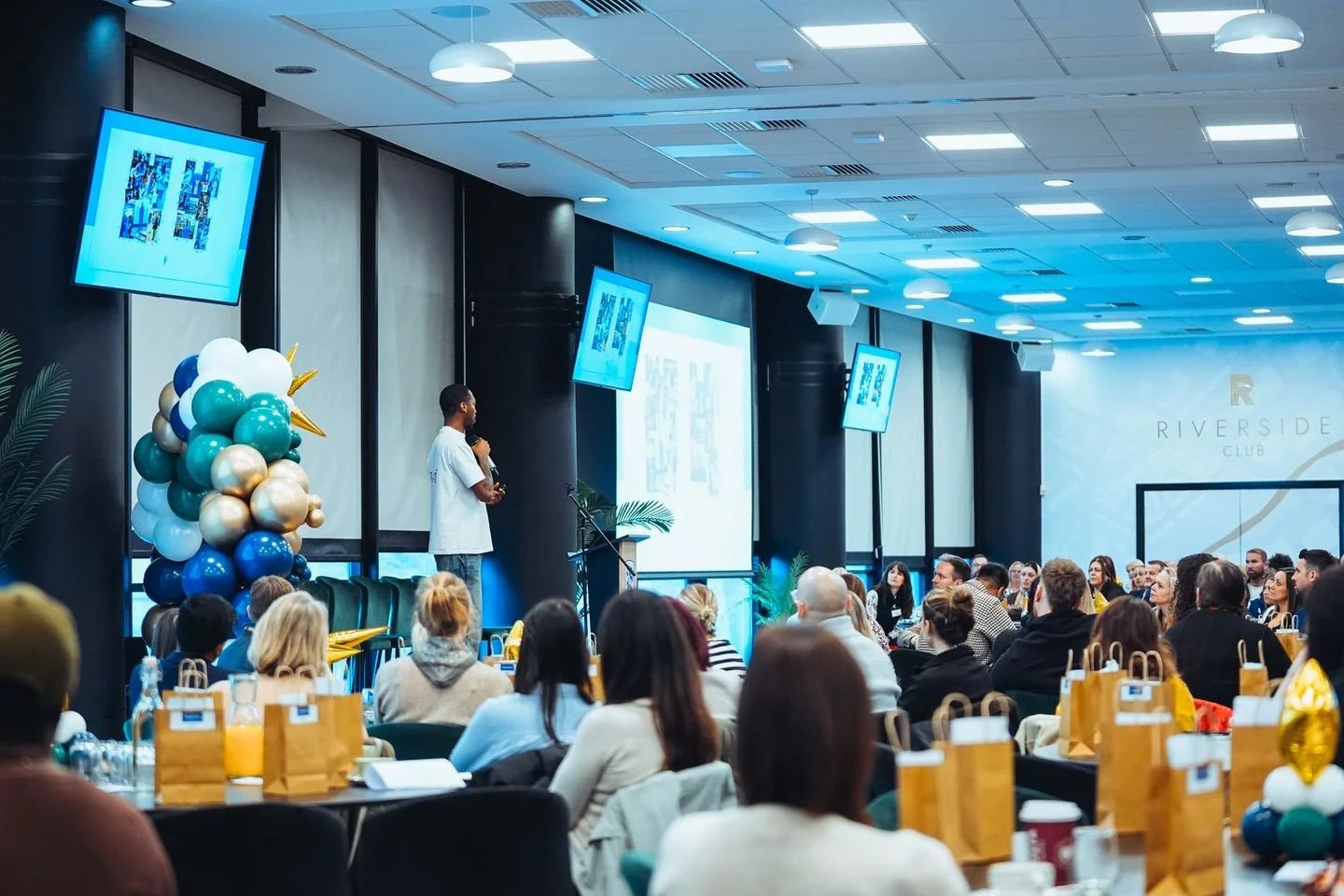
Huddersfield Town Conference
A conference session centred on inclusion, resilience and belonging.
Explore engagement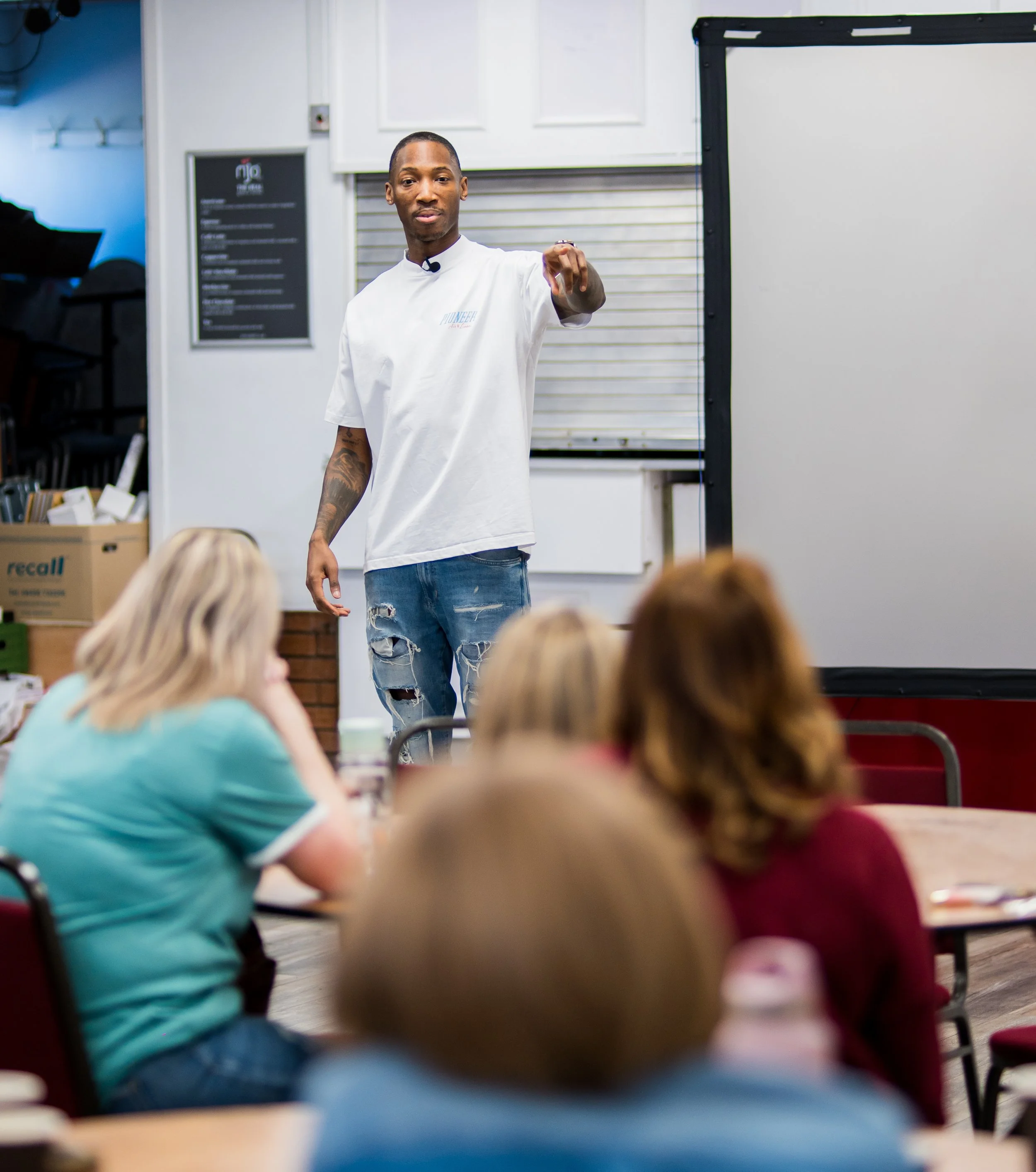
Wigan Council
A keynote and open conversation supporting those who support others.
Explore engagement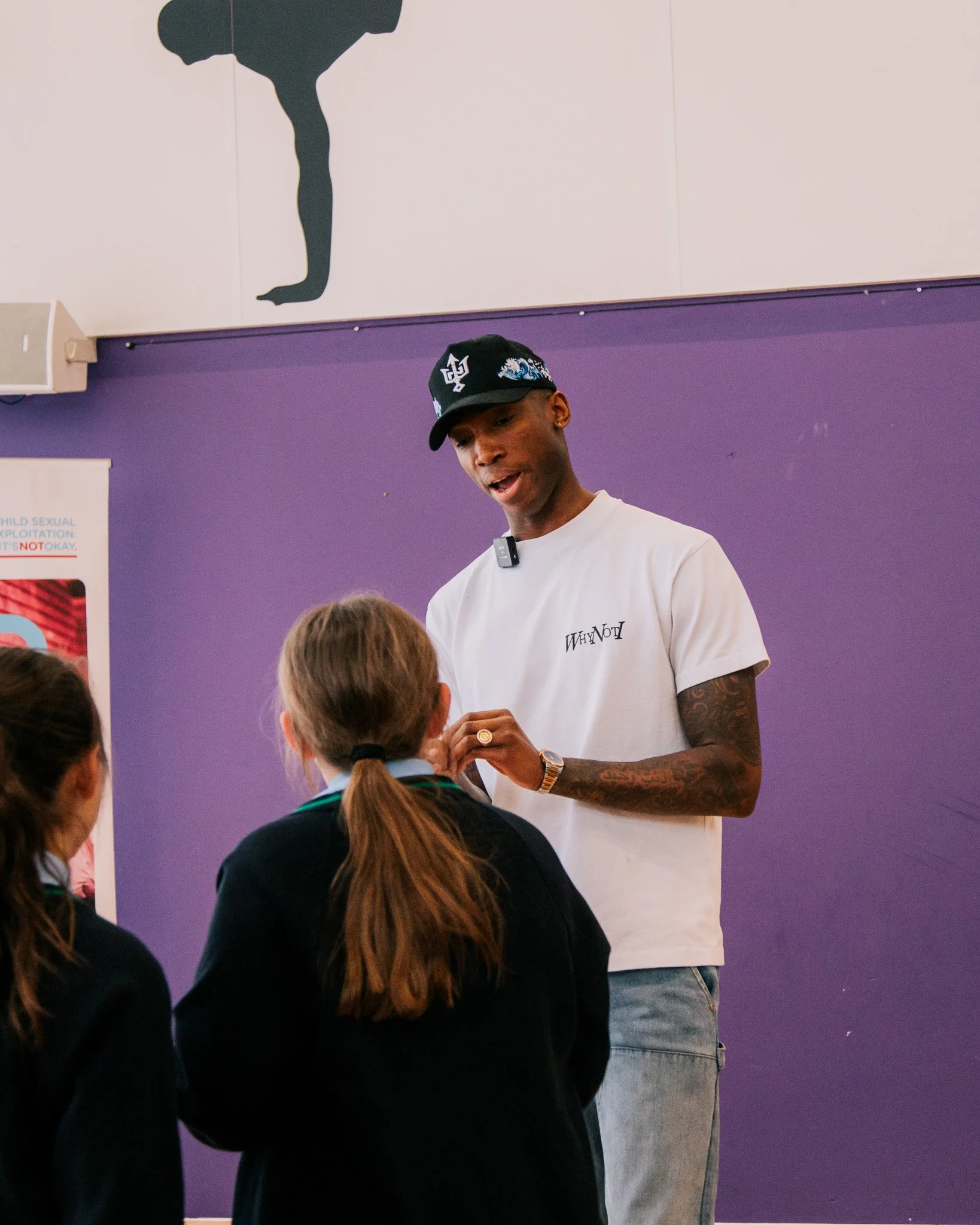
Wigan Youth Zone
A youth-centred engagement moving from conversation into participation and action.
Explore engagementStart a conversation
Whose experience is missing from the conversation?
If your organisation, educational programme, public-service event or community initiative wants to bring lived experience, mental health and a different perspective on leadership into the room, tell us what you are creating and explore how Why Not I could contribute.