

Pressure
The expectations attached to training, selection, performance and the pursuit of a professional career.
Engagements / Academy football
Trust was built before the talk began.
A full-day academy engagement using lived experience, genuine connection and honest conversation to explore mental health, pressure and development beyond the pitch.
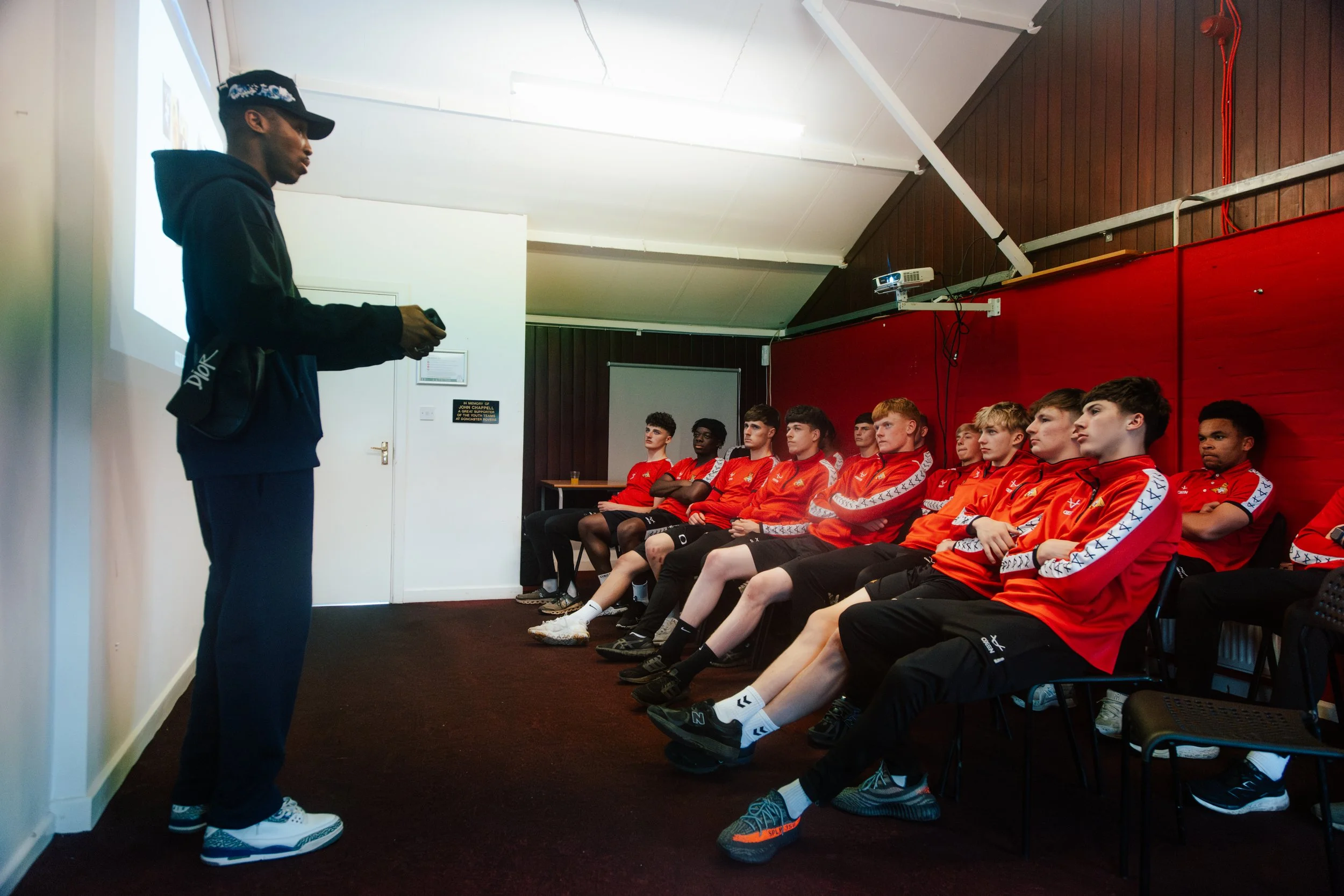

The engagement
Why Not I delivered a full-day engagement with players at Doncaster Rovers Academy, exploring mental health, resilience and the mindset required to navigate the realities of competitive sport.
Rather than arriving immediately before the workshop, Kofi spent the day inside the academy environment. He watched the players train, spoke with them informally and allowed relationships to develop before the formal session began.
By the afternoon, the person at the front of the room was no longer simply an outside speaker. The players had spent time with him, understood something of who he was and had already begun building a connection.
The engagement journey
The day developed through arrival, observation, informal exchange and a workshop shaped by the familiarity already established.
Entering the environment
Kofi joined the academy in the morning and spent time observing the environment in which the players trained and developed. This allowed the engagement to begin with listening and presence rather than immediately placing a presentation between the speaker and the audience.
Informal connection
Informal conversations gave players the opportunity to engage with Kofi naturally before being asked to participate in a structured discussion about pressure, mental health and performance.
Shared experience
Kofi drew on his experience of international and professional basketball, setbacks, injury, pressure and mental health challenges to connect with realities that aspiring professional athletes may recognise.
The workshop
When the formal session began, the rapport created throughout the day helped the conversation feel more relaxed, relevant and human. The workshop explored resilience, wellbeing, pressure and the importance of developing an identity and support system that can withstand the uncertainty of competitive sport.
Why rapport matters
Conversations about mental health require more than the correct words. They require credibility, relevance and an environment in which people do not feel judged for being honest.
Young athletes may be surrounded by selection decisions, competition, expectations and uncertainty. Entering that environment with curiosity and respect can make a difficult conversation feel less like an intervention and more like part of their development.
Why Not I’s approach is grounded in human connection: understand the people, speak from experience and create a conversation they can recognise themselves within.
The realities explored
These were themes explored during the engagement, not diagnosed issues attributed to the players in the room.
The expectations attached to training, selection, performance and the pursuit of a professional career.
Responding to difficult moments without allowing one result, injury or decision to determine personal value.
Recognising the person beyond the player so that self-worth is not entirely dependent on sporting performance.
Understanding that resilience can include communicating honestly, accepting help and using the people around you.
First-hand account
“What I loved about Kofi’s workshop is that he didn’t just turn up in the afternoon and deliver his presentation, like a lot of guest speakers do. He arrived in the morning and spent all the day with the lads, watching them train and getting to know them through informal chats. By the time it came to his presentation in the afternoon they already had a rapport with him so it made it a much more relaxed environment. Kofi’s story is a great one and our lads found it really relatable, they loved having him in for the day.”
Documentary gallery
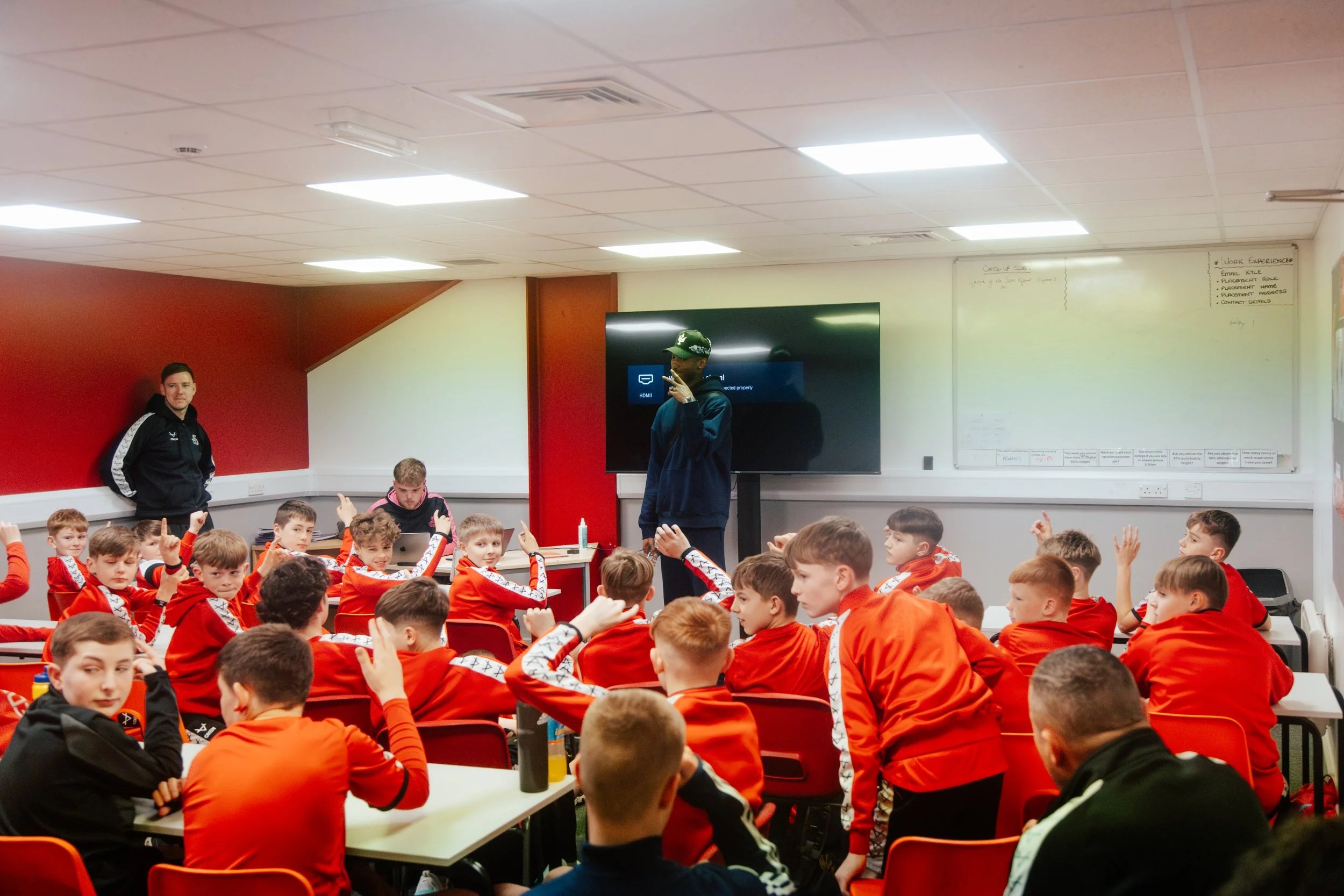
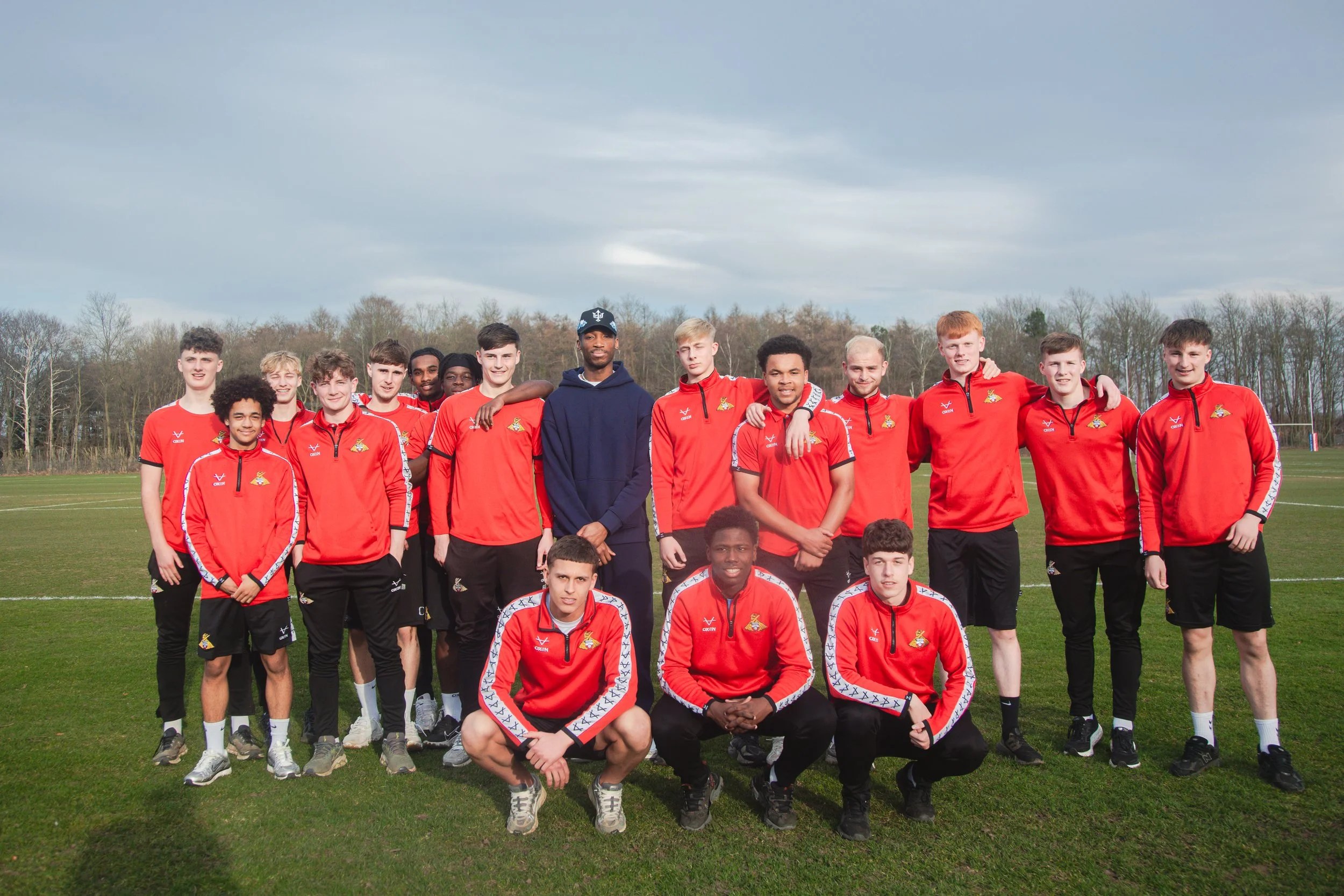
The original engagement photography records the workshop room, shared discussion and time spent with players in their football environment.
Developing the person and the player
Academy environments are built around development, but development is not limited to technical ability, physical preparation or tactical understanding.
Young athletes are also learning how to respond to pressure, uncertainty, setbacks and changing expectations. Their mental health, identity and relationships influence how they experience that journey.
Supporting the person does not reduce ambition. It can help create a stronger foundation from which ambition can be pursued.
What the engagement demonstrates
The Doncaster Rovers engagement demonstrated the value of taking time to understand an audience before asking that audience to engage with a personal subject.
Kofi’s lived experience created relevance. Spending the day in the academy created familiarity. The combination helped the final session take place within a more relaxed environment, as confirmed by the club’s Head of Academy Player Care.
This is the difference between delivering content to a room and building an experience with the people inside it.
The Why Not I approach
Why Not I uses lived experience to help people recognise possibility, consider the direction they want to move in and take a practical step towards change.
Within academy sport, that step may involve responding differently to a setback, speaking to someone trusted, developing an identity beyond performance or reconsidering what strength looks like under pressure.
Explore more engagements
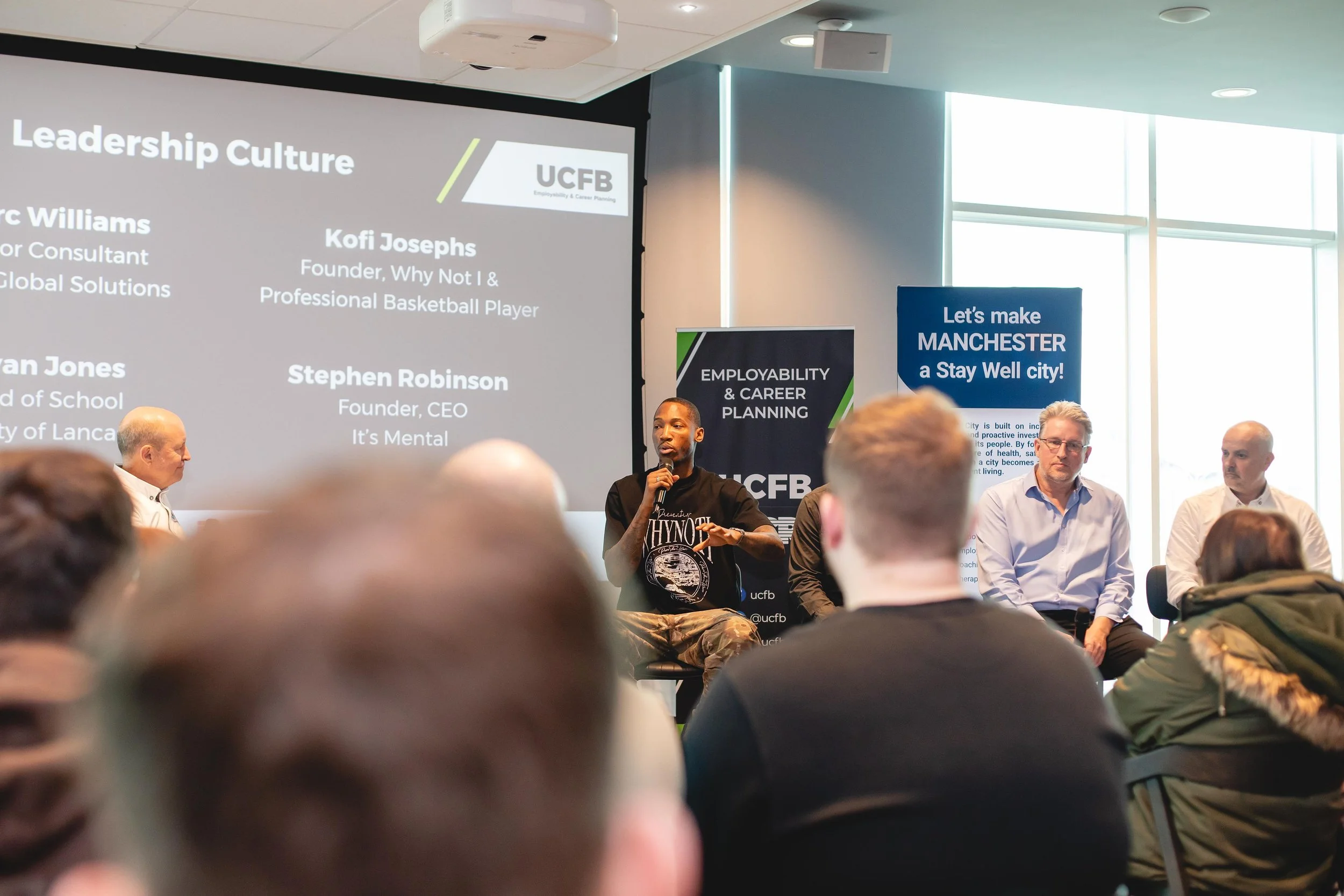
Culture, resilience and leadership within a professional sports-education environment.
Explore engagement
Mental health, identity and development beyond physical performance.
Explore engagement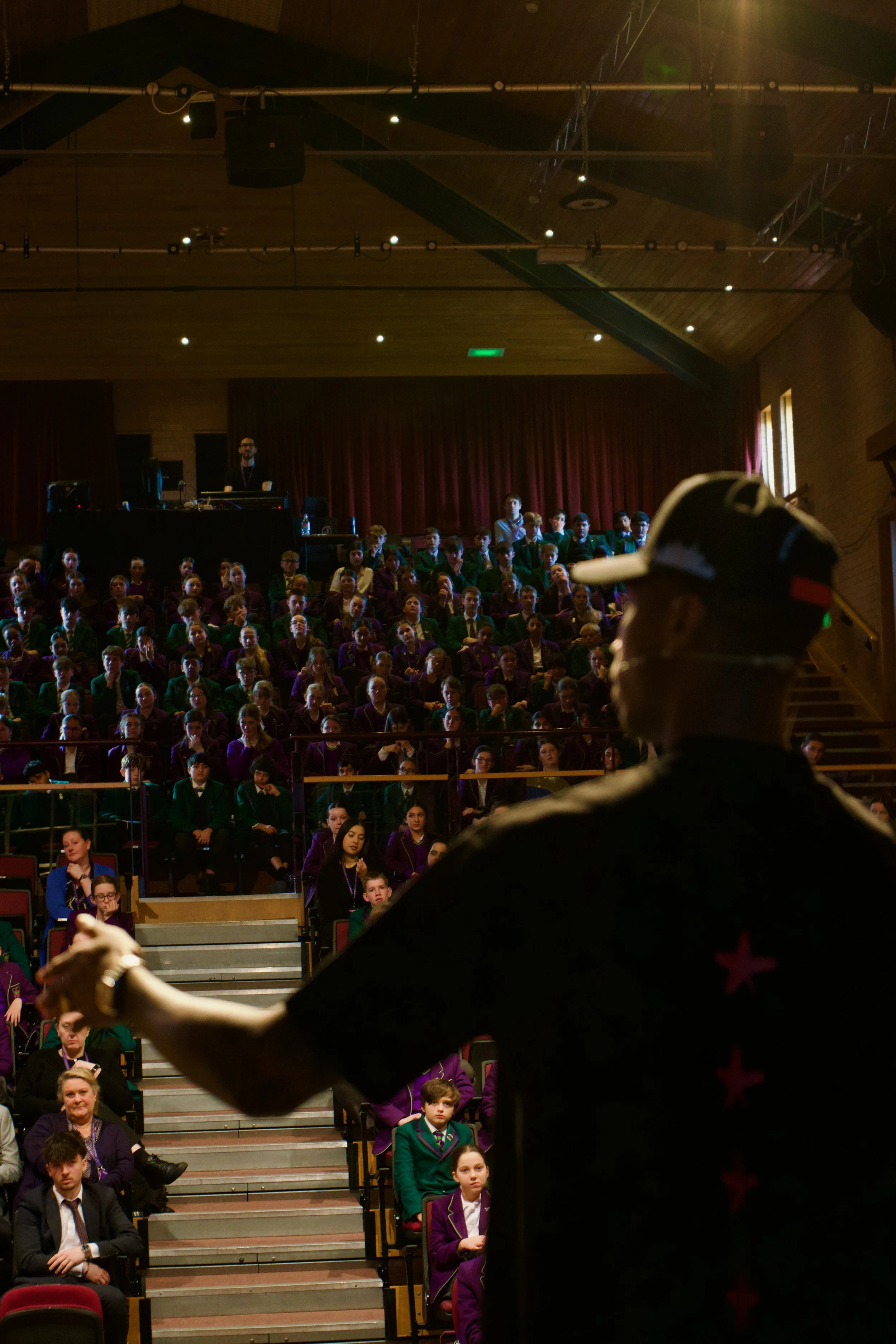
A large-scale school talk followed by closer conversations with students and staff.
Explore engagementStart a conversation
If your academy, club, governing body or community sports environment wants to support the people behind performance, tell us what your athletes are navigating and explore what we could build together.